The Literature of the Greatest Generation: Keeping Their Stories Alive This Memorial Day
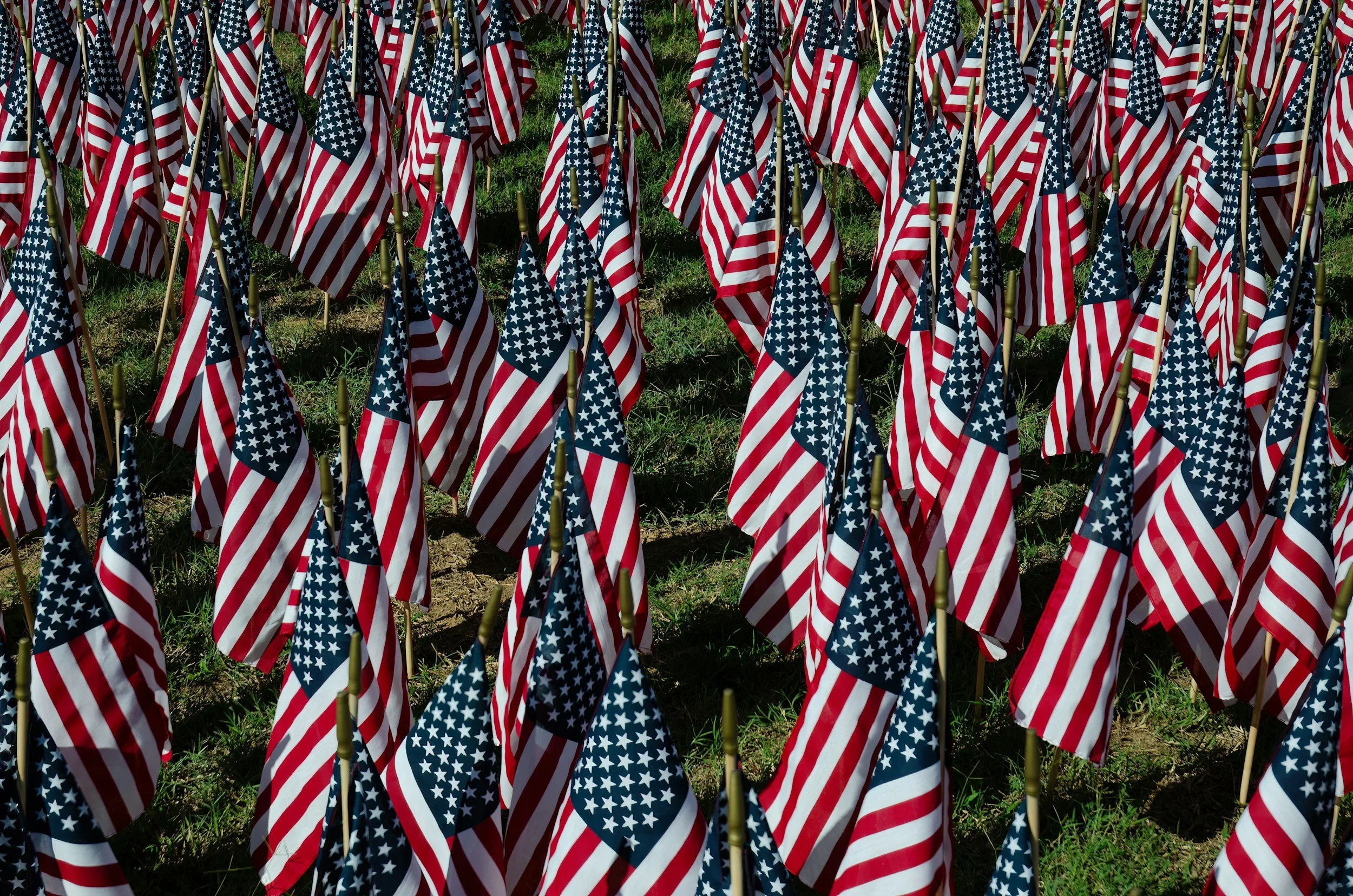
Memorial Day is often marked by flags, parades, and quiet moments of reflection. But beyond these traditions lies something just as powerful: the stories. The men and women of the “Greatest Generation” did more than serve—they wrote, remembered, and bore witness. Their literature stands as one of the most enduring ways we can honor them, not just for what they did, but for how they understood it.
The term “Greatest Generation” typically refers to those who came of age during the Great Depression and fought or served during World War II. What makes their literary legacy so compelling is its range. Some accounts are raw and immediate, written in the trenches or shortly after returning home. Others are reflective, shaped by decades of hindsight. Together, they form a deeply human portrait of courage, fear, loss, and resilience.
One of the defining features of this body of literature is its honesty. These are not distant, glorified retellings. They are grounded in lived experience. Soldiers wrote about the chaos of battle, the bonds forged in unimaginable circumstances, and the quiet, persistent longing for home. Nurses, journalists, and civilians added their own perspectives, expanding the narrative beyond the battlefield. Through memoirs, letters, diaries, and novels, they preserved not just events, but emotions.
Why does this matter today? Because memory fades, but stories endure. As the number of living World War II veterans continues to decline, literature becomes a bridge between generations. It allows us to see history not as a series of dates and facts, but as something deeply personal. When we read these works, we step into another time—not as observers, but as participants in the emotional truth of it.
Memorial Day, then, can be more than a day of remembrance—it can be a day of engagement. Picking up a memoir or revisiting a classic war novel is an act of preservation. It ensures that the voices of that generation are not lost to time. It also challenges us to reflect on the cost of conflict and the value of peace in a way that statistics alone never could.
There is also a responsibility that comes with reading these stories. It is not enough to simply consume them; we must carry them forward. Share them with younger generations. Discuss them. Teach them. In doing so, we keep the legacy of the Greatest Generation alive not as myth, but as lived reality.
This Memorial Day, consider honoring those who served by listening to their voices—still echoing through the pages they left behind. Their stories are not just history. They are reminders of what ordinary people are capable of in extraordinary times, and why their sacrifices should never be forgotten.
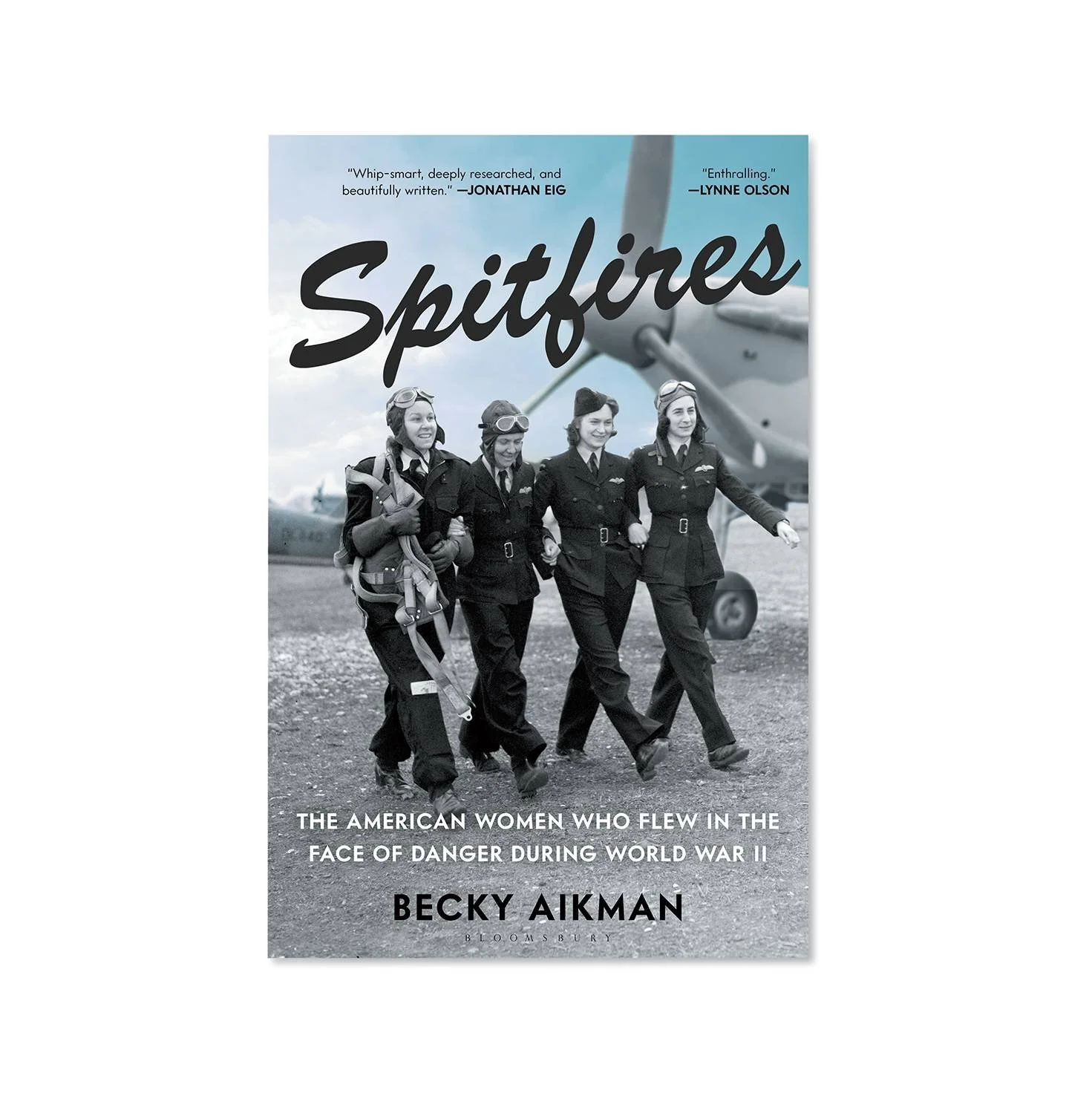
Spitfires: The American Women Who Flew in the Face of Danger During World War II
Recommended Books
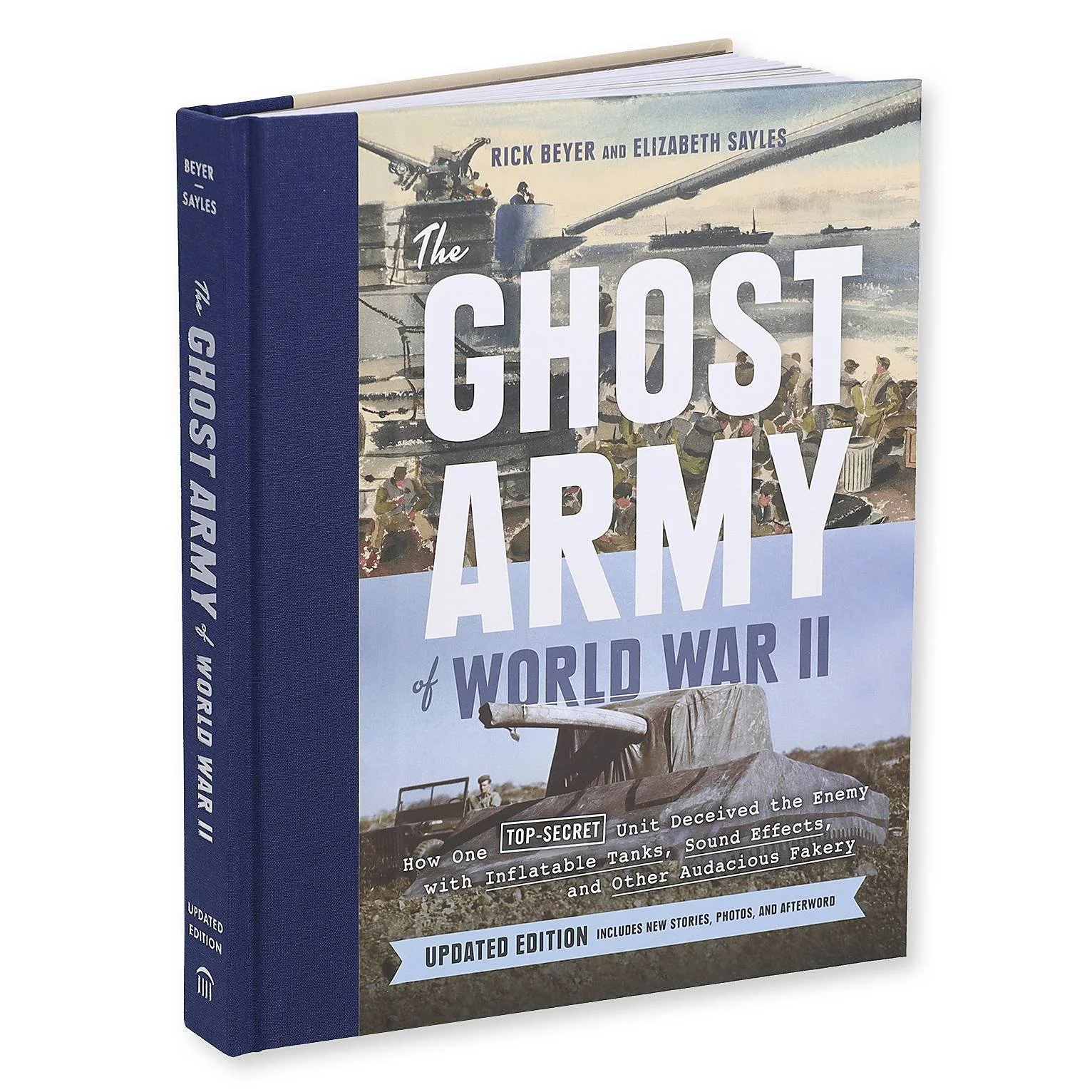
The Ghost Army of World War II
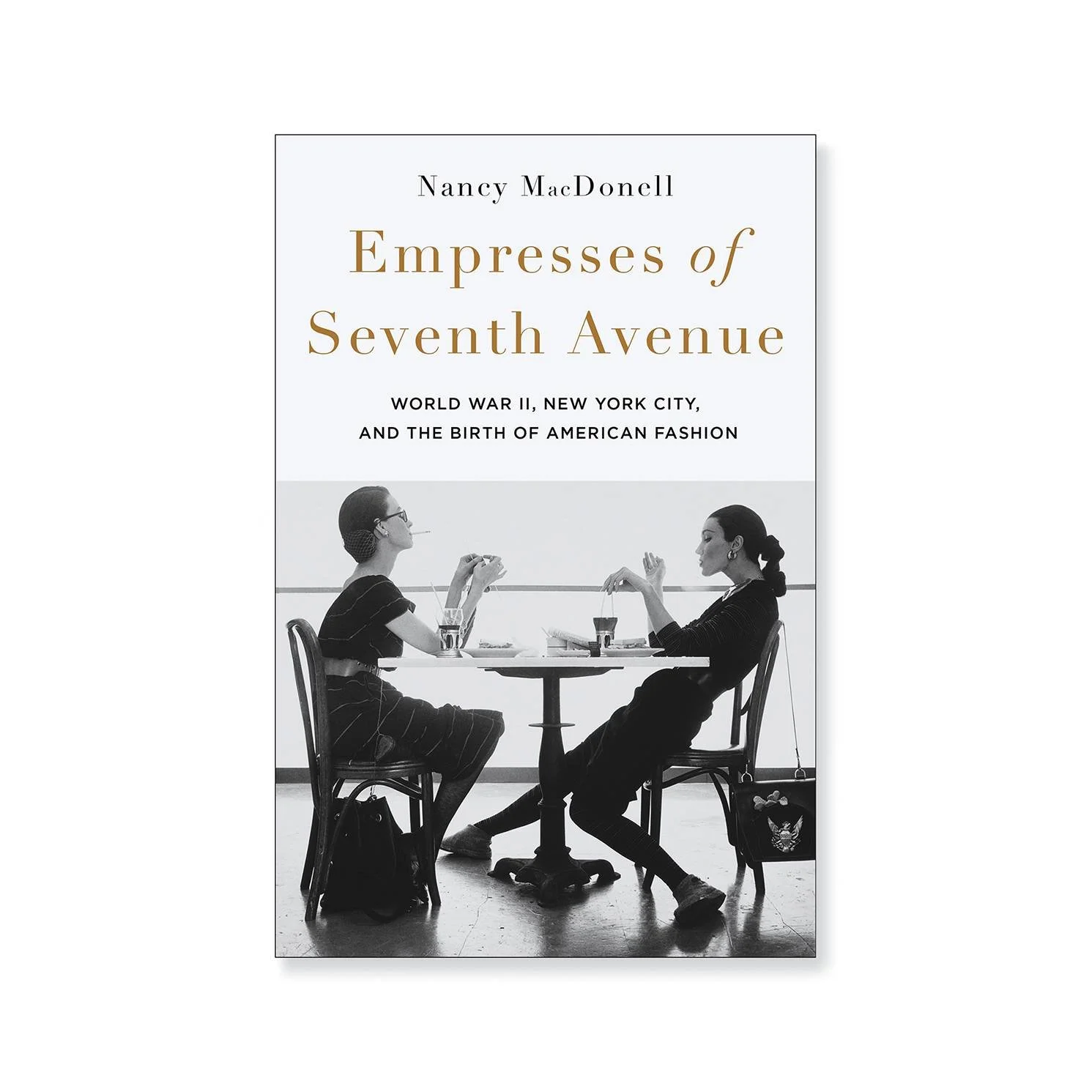
The Empresses of Seventh Avenue: World War II, New York City, and the Birth of American Fashion