Dragonflies are Fascinating
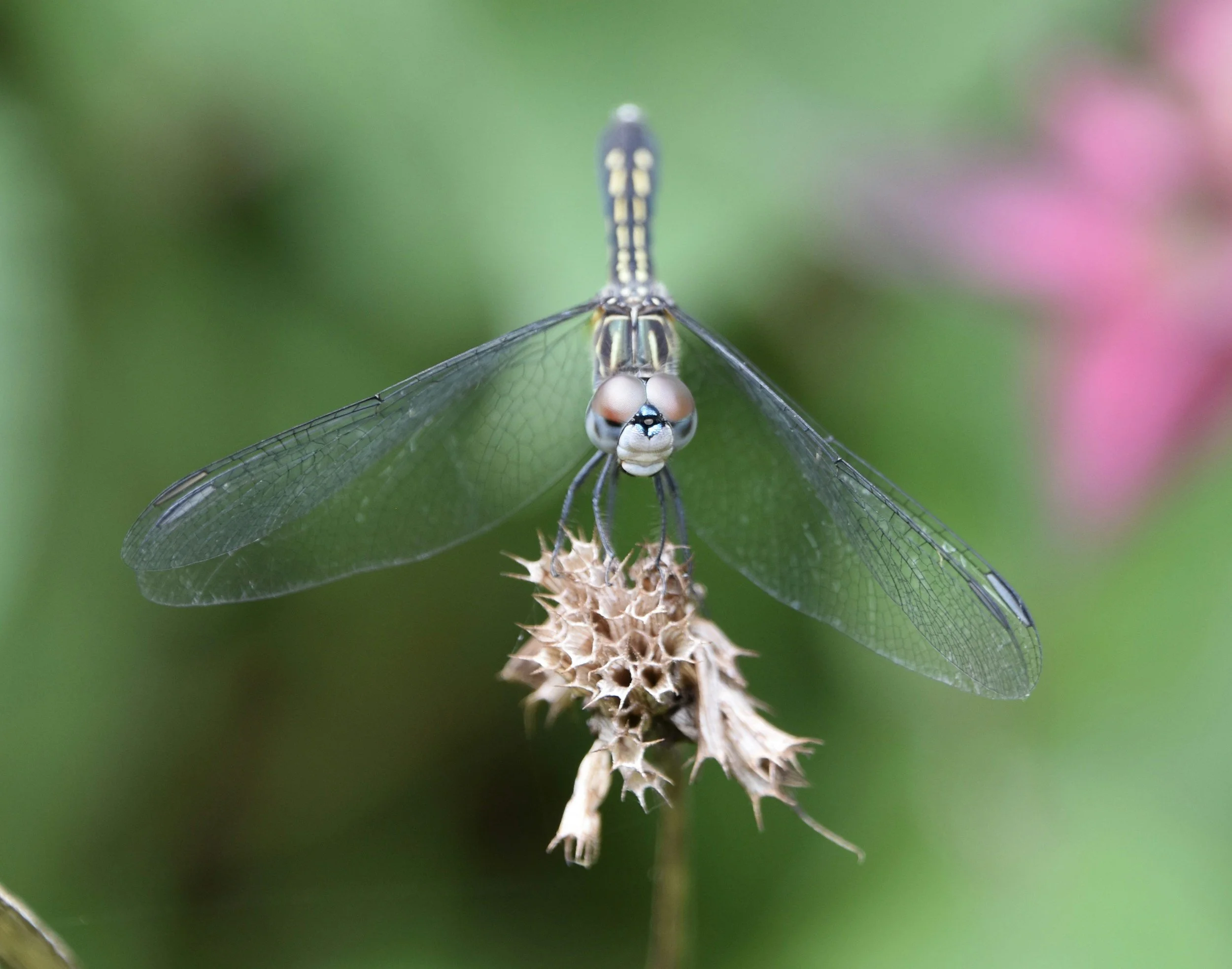
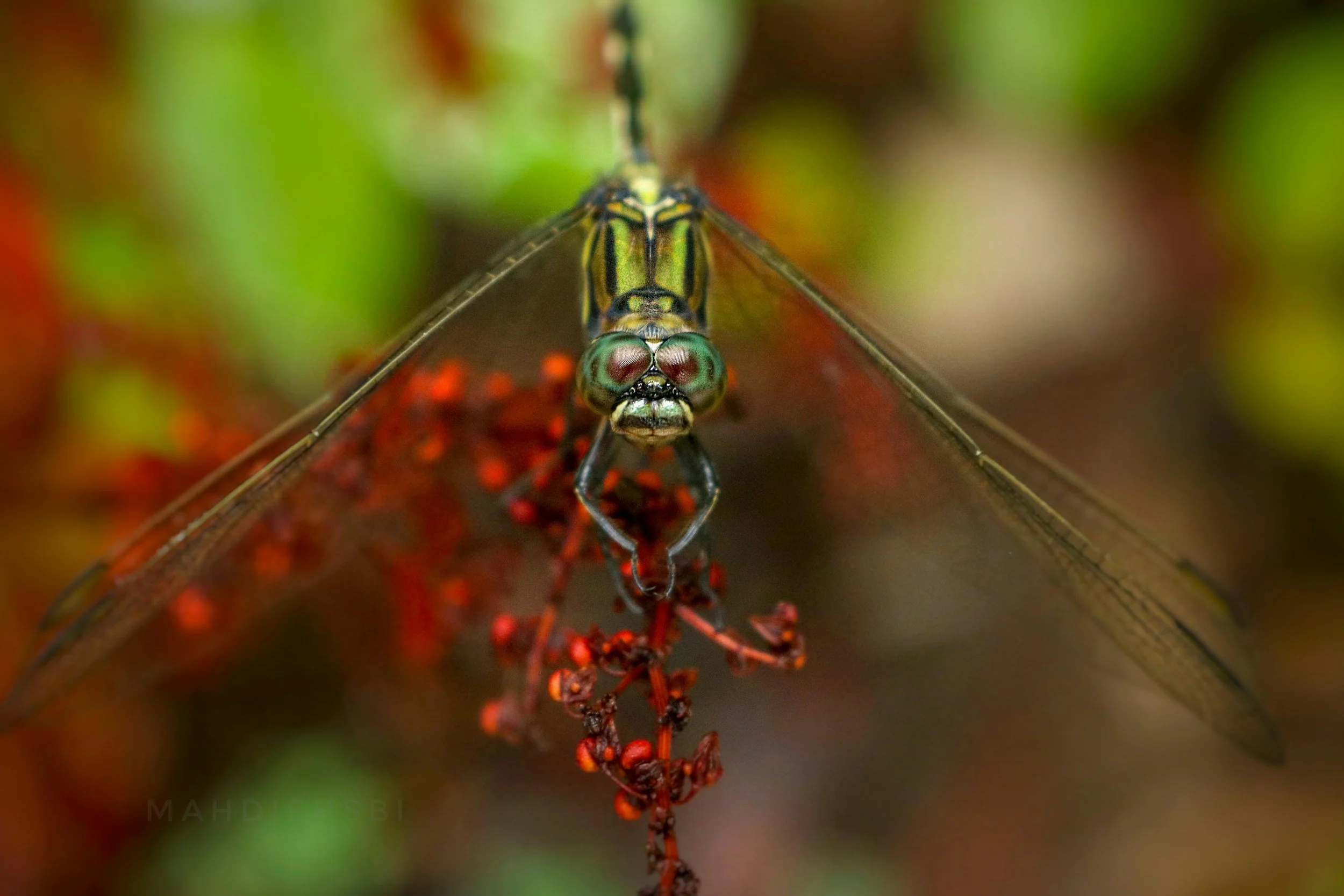
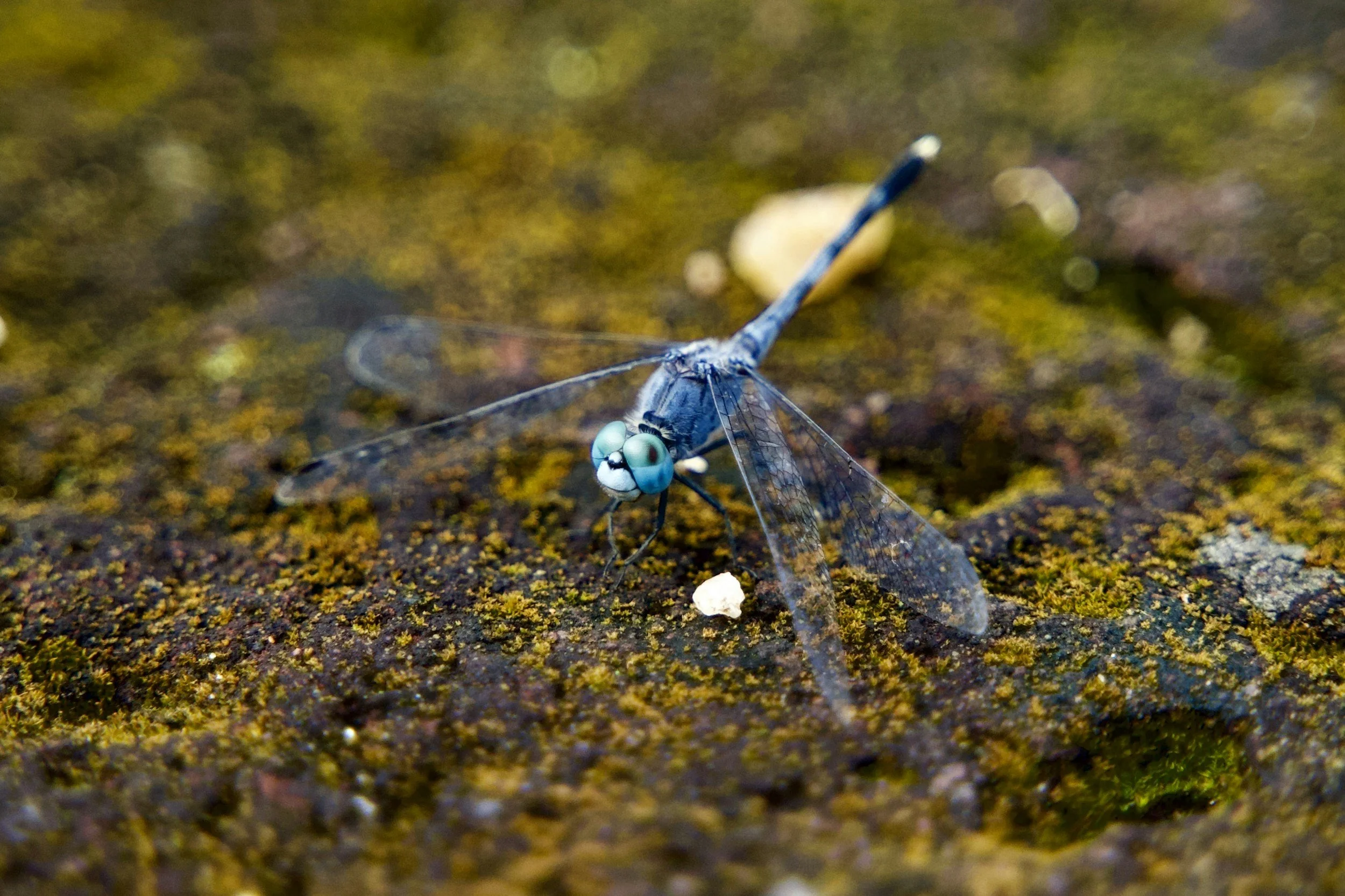
Dragonflies are some of the most fascinating and ancient insects on Earth, often admired for their shimmering wings and graceful flight. Belonging to the order Odonata, dragonflies have been around for over 300 million years—long before the dinosaurs roamed the planet.
One of the most striking features of dragonflies is their incredible flying ability. They can hover like a helicopter, glide effortlessly, and even fly backward. This agility makes them highly effective hunters. With large compound eyes that can see nearly 360 degrees, dragonflies are excellent at spotting prey such as mosquitoes and other small insects, helping naturally control pest populations.
Dragonflies begin their lives in water. As larvae, known as nymphs, they live beneath the surface of ponds, lakes, and streams, where they feed on other aquatic organisms. After months—or even years—of growth, they emerge from the water and transform into adults in a remarkable process called metamorphosis.
These insects are not only skilled predators but also important indicators of environmental health. Because dragonflies rely on clean water to reproduce, their presence often signals a healthy ecosystem. Conversely, a decline in dragonfly populations can point to pollution or habitat loss.
Culturally, dragonflies have held symbolic meanings in many societies. They are often associated with change, adaptability, and self-realization due to their life cycle and transformation.
In short, dragonflies are more than just beautiful insects—they are ancient survivors, expert hunters, and vital parts of the natural world. Whether you spot one near a pond or in your backyard, take a moment to appreciate the remarkable life of this delicate yet powerful creature.
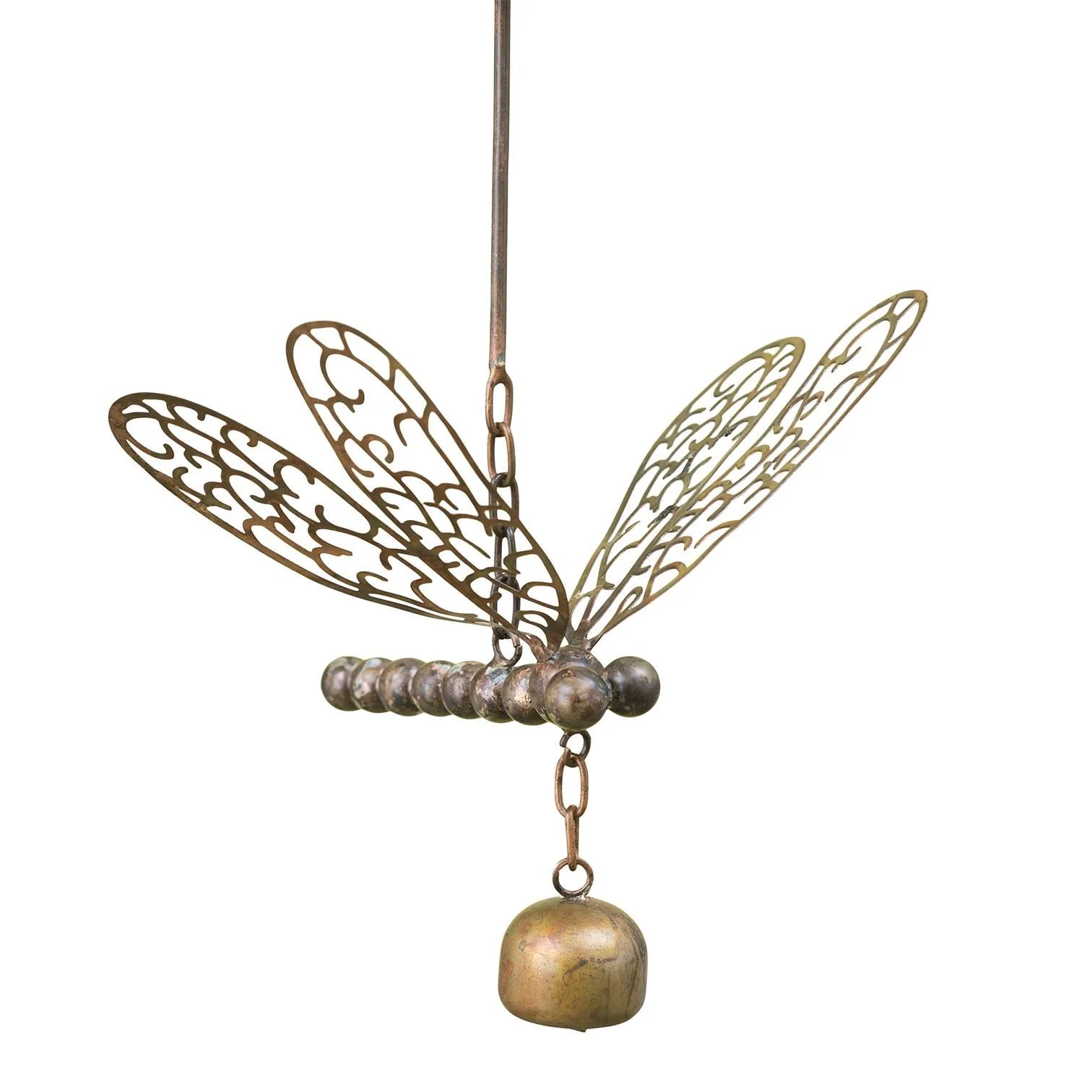
Dragonfly Garden Chime